Digital Adoption for European Businesses: team.blue 2025 Report
 2245
2245 0
0 
This post is also available in:


A new research study from team.blue, one of Europe’s leading digital providers, with more than 60 brands and 3.5 million customers, reveals how businesses across Europe are adapting to fast-moving technological change.
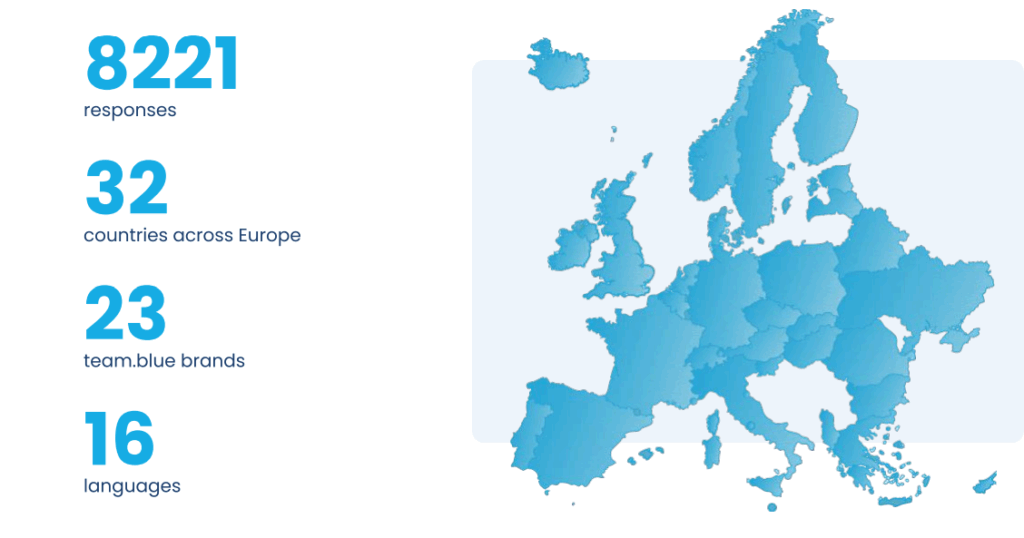
The research includes responses from 23 participating brands, including SimplyBook.me, and covers 8,222 senior executives across 32 countries, representing 16 languages.
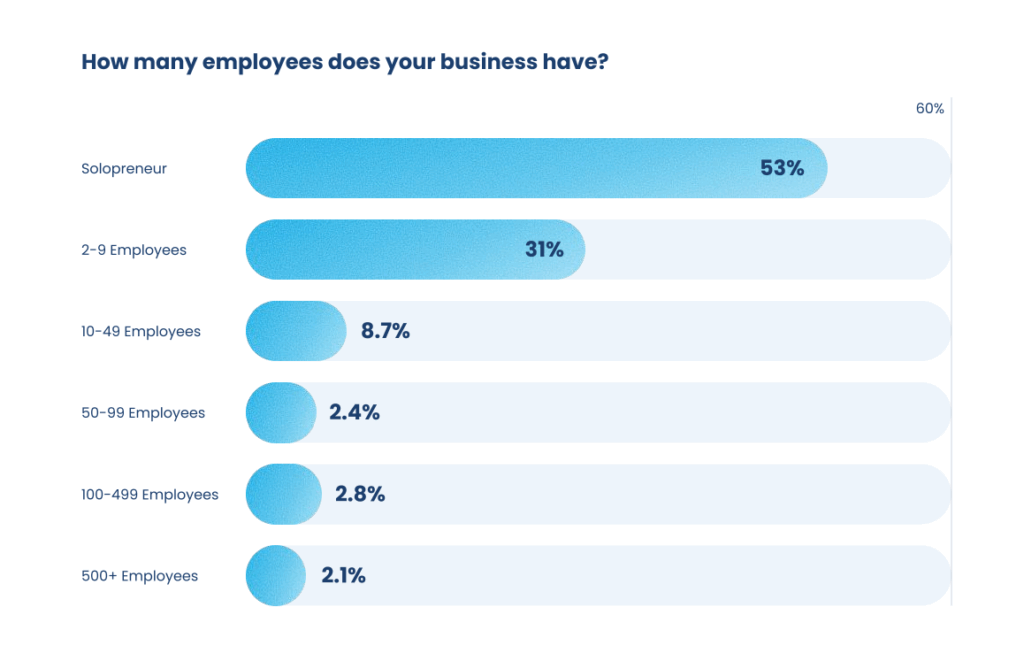
The majority were small business owners: 53% work solo, and 31% have teams of 2-9 people. Medium and larger businesses (50-500+ employees) were also part of the study.
Across the continent, companies of all sizes are actively seeking to modernize, adopt smarter tools, and embrace AI.
What’s emerging isn’t just interest, it’s real momentum building across sectors and borders. Yet alongside this momentum lies a real challenge: uncertainty.
Many business owners struggle to know where to start, which tools actually work, or how fast they should be moving.
The desire for progress is there, but the clear path forward often isn’t. This is precisely why the conversation around digital adoption for European businesses has become so critical.
When the landscape feels overwhelming, practical guidance becomes essential.
That’s where trusted digital partners like SimplyBook.me and the broader team.blue network make the difference: cutting through confusion to deliver clarity, and turning ambition into tangible progress.
Download the Digital Maturity Report
Why Digital Adoption Matters for European Businesses Right Now

Navigating Constant Change
Running a business today means managing constant change. New tools launch every month, customer expectations continue to grow, and AI is now undoubtedly part of the landscape.
Basics Are in Place, But Challenges Remain
While most European businesses have the basics in place, such as a website, social media profiles, and other collaboration tools to keep them visible and accessible, moving beyond the essentials, into automation, integrated tools, or AI, is where many hesitate.
Common Concerns Among Businesses
The same concerns keep surfacing:
- What tools are actually worth it?
- Where am I supposed to find the time?
- Will this make things easier or just pile on more work?

Research Insights
The team.blue research shows the same pattern across 32 countries: businesses aren’t pushing back on digital progress.
On the contrary, they want to embrace change; they just don’t want the overwhelm, risk, or guesswork that often comes with it.
How Trusted Tools Help
Tech adoption in SMBs becomes far simpler when a trusted tool like SimplyBook.me helps you sort through the options and shows you what will actually move your business forward.
Digital Presence: How Websites Build Credibility and Drive Business Growth
Website Ownership and Management
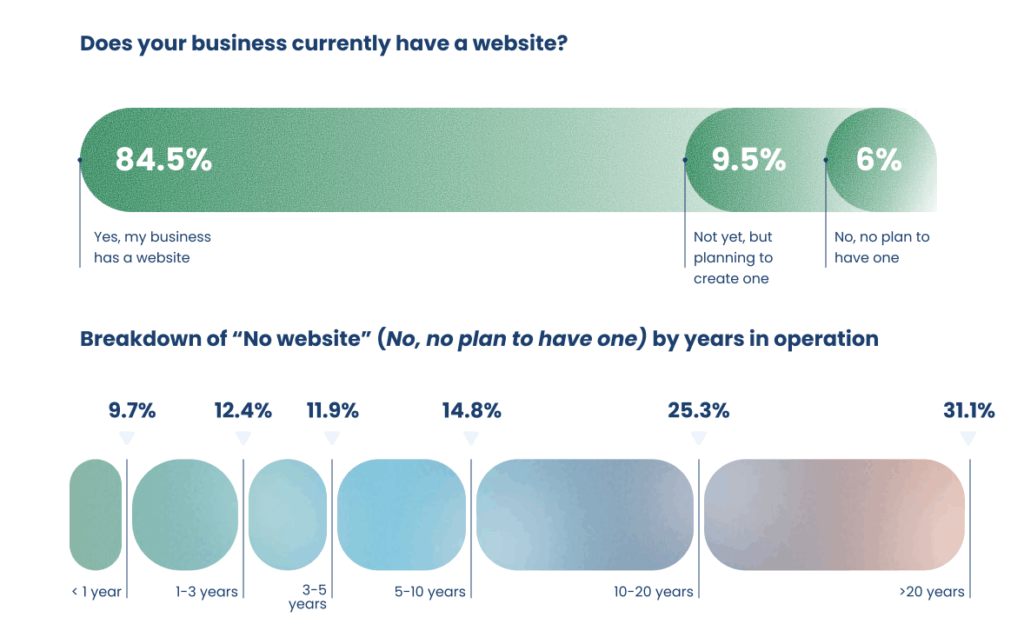
A strong digital presence is now essential for European businesses. The survey shows that 84.5% of businesses have a website, while 9.5% plan to create one, and 6% have no plans at all.
Website management varies: 23.2% use external developers but manage content internally, 18.8% use DIY builders, 7.4% fully outsource management, 2.6% have other arrangements, and 2.3% are unsure.
Over 60% of businesses manage their own websites, prioritizing control and cost savings. However, updates take time, which means websites often become essential yet difficult to keep current.
Contribution to Business
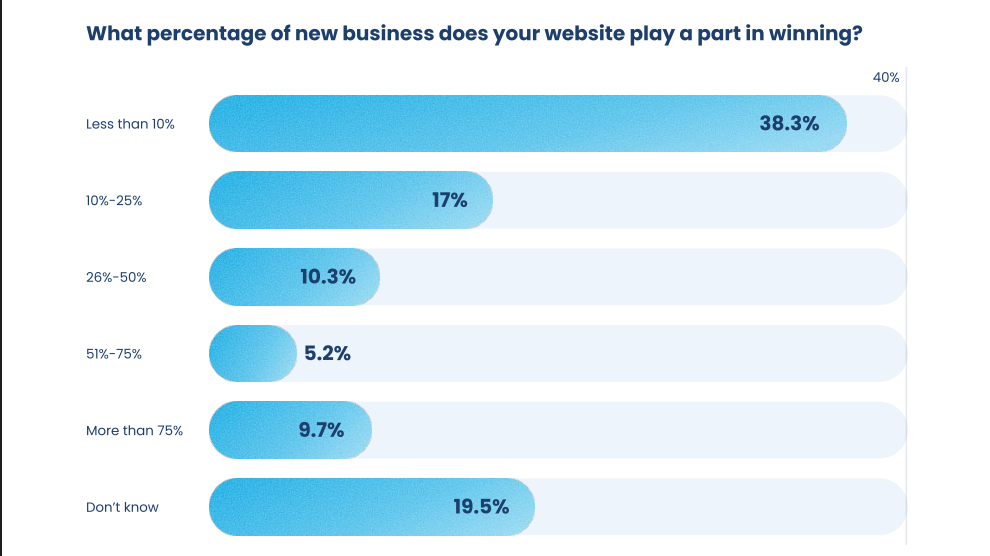
Most businesses use their websites to establish credibility, not generate revenue. Over 40% say less than 10% of their new business comes from their site, and more than half don’t know how much it actually contributes.
In contrast to traditional sectors, businesses in Tech, IT services, and e-commerce rely on their websites not just for trust, but for actual sales and daily operations.
Key Benefits and Impact
Websites help businesses reach more people and appear more credible, but that’s about where the consensus ends.
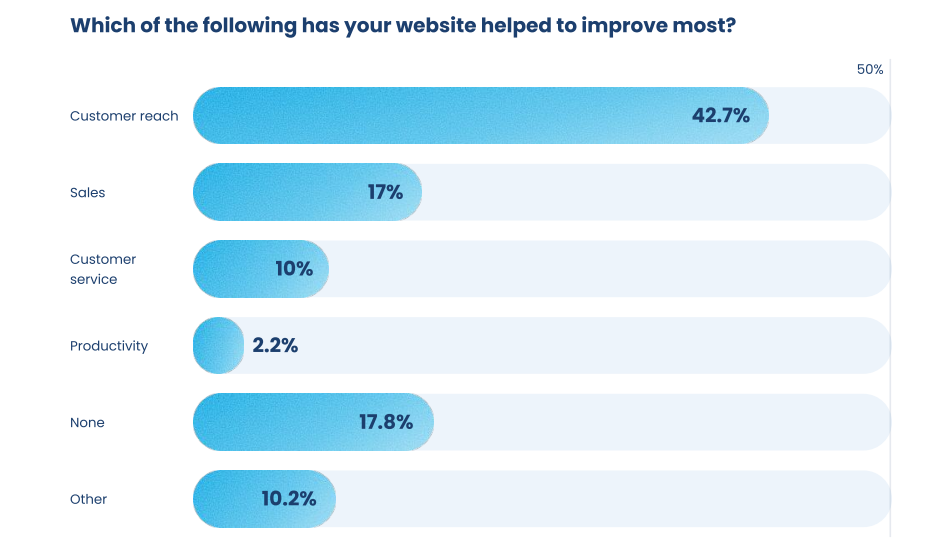
While 42.7% report improved customer reach and 17% see sales benefits, nearly 18% notice no direct impact at all.
The real value seems to lie less in driving transactions and more in signaling legitimacy and building trust.
Marketing Role of Websites
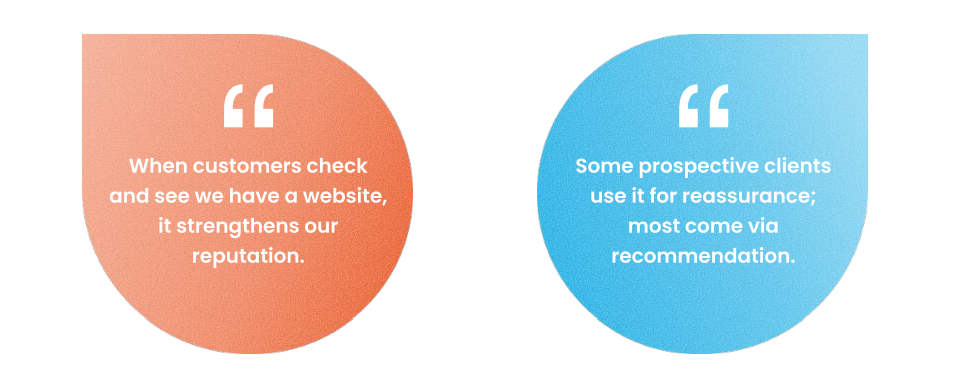
At their core, websites function as marketing assets that extend reach and build credibility.
They work less as direct sales channels and more as professional introductions, backing up referrals, reinforcing trust, and showing legitimacy to prospects.
Optimizing Digital Workflows: How European Businesses Use Tools

Everyday Essentials: Social Media and Cloud Storage
Digital tools are now essential for keeping businesses running smoothly, from staying visible online to managing information.
Most European businesses rely on the basics: 74% use social media to connect with customers, and 73% use cloud storage for daily work.
Adoption drops for more advanced tools, though over half still turn to website builders and collaboration platforms to stay organized and productive.

Marketing Tools Take the Lead
Basic marketing tools like social media, website builders, and email platforms enjoy broad adoption.
However, specialized tools see far less uptake.
At the same time, small businesses lean toward simple, impactful solutions, while larger companies concentrate on collaboration and customer management.
The pattern reveals a clear demand for accessible, guided tools that provide genuine value.
Confidence in Tool Selection Varies by Size
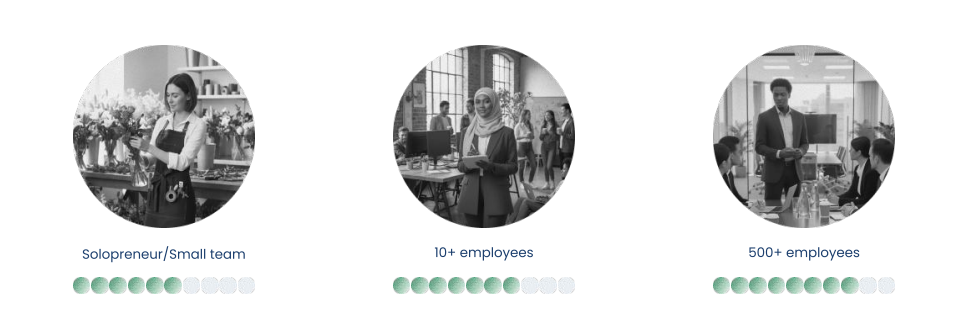
Confidence in choosing the right digital tools climbs steadily with business size.
On a 1–10 scale, solopreneurs and small teams average 6, mid-sized companies hit 7, and large organizations reach 8.
The rising confidence makes sense: larger teams can share the burden of decision-making and support one another through the adoption process.
Measuring Impact and Time Saved
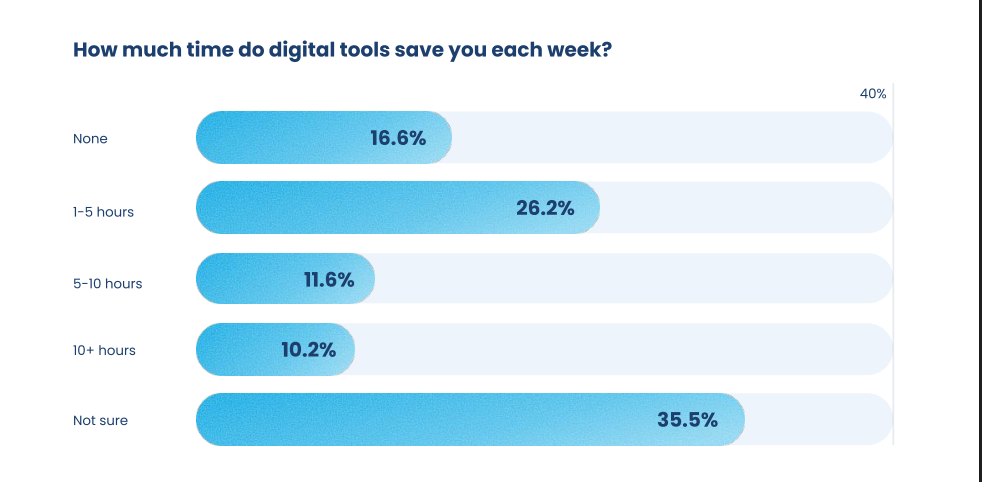
Many businesses can’t quantify what their digital tools actually accomplish.
Around 35% don’t know how much time they’re saving, and that uncertainty climbs to 43% in larger organizations, where efficiency gains spread across multiple people and become harder to pin down.
Solopreneurs feel the impact more directly, yet nearly one in five report no time savings at all, suggesting tools sometimes create complexity instead of eliminating it.
The distinction becomes clear: smaller businesses grab tools to solve immediate problems, while larger ones approach adoption with more structure and long-term planning.
Maintenance Approaches: Reactive vs. Proactive
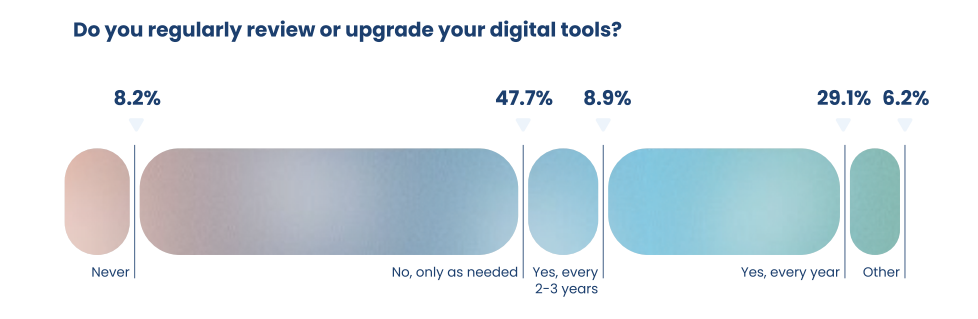
Most businesses take a reactive approach to maintaining digital tools, updating only when something breaks, especially common among solopreneurs and small teams.
Larger organizations operate more strategically: 57% of companies with 100+ employees review and update tools on a regular schedule, usually with dedicated staff or automated systems managing the process.
The approaches vary considerably; some businesses monitor tools daily, others delegate entirely, and some admit they’re not sure what maintenance even looks like or lack the expertise to do it well.

Challenges in Digital Adoption for European Businesses
Tech Savviness and Confidence
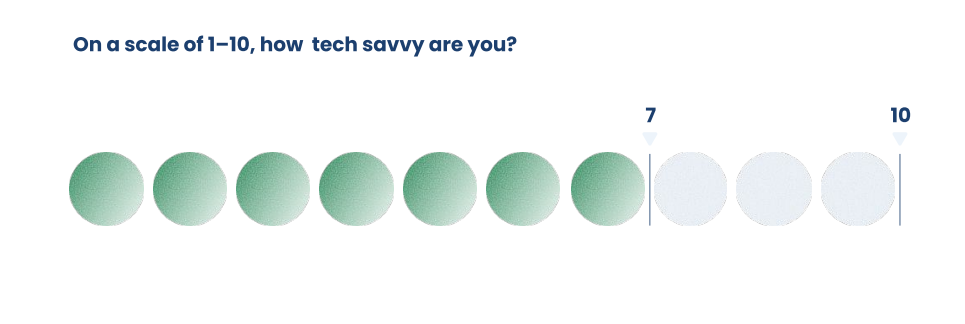
Tech confidence among European businesses doesn’t vary much by age, but it shifts dramatically with size.
On average, businesses rate their tech skills at 7 out of 10. Larger organizations feel most confident at 8, while solopreneurs lag at 6, a gap that mirrors what we’ve already seen in how businesses select and use digital tools.
What’s surprising? Whether a business is just starting, still growing, or fully established makes almost no difference to how tech-confident they feel.
Challenges Holding Businesses Back
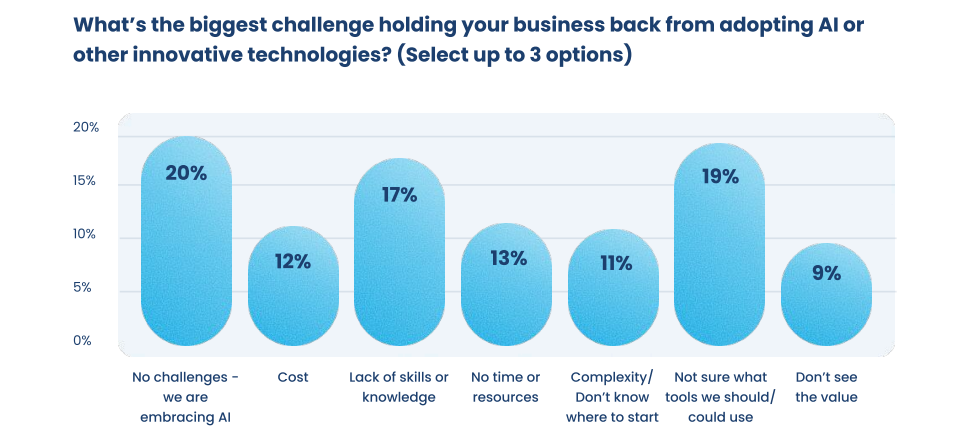
While 20% of SMEs are fully on board with AI and emerging technologies, the majority face considerable barriers.
The biggest challenges include uncertainty about which tools to adopt (19%), lack of technical skills or knowledge (17%), and insufficient time or resources (13%).
A smaller subset, primarily established businesses over 10 years old, questions the need for change altogether, preferring methods that have “worked fine” up to this point.
What the data makes clear: European businesses are generally willing to embrace digital tools, but confusion, capability gaps, and time constraints often prevent them from taking action.
Practical Guidance and Human Support
Many businesses find the digital landscape confusing and overwhelming.
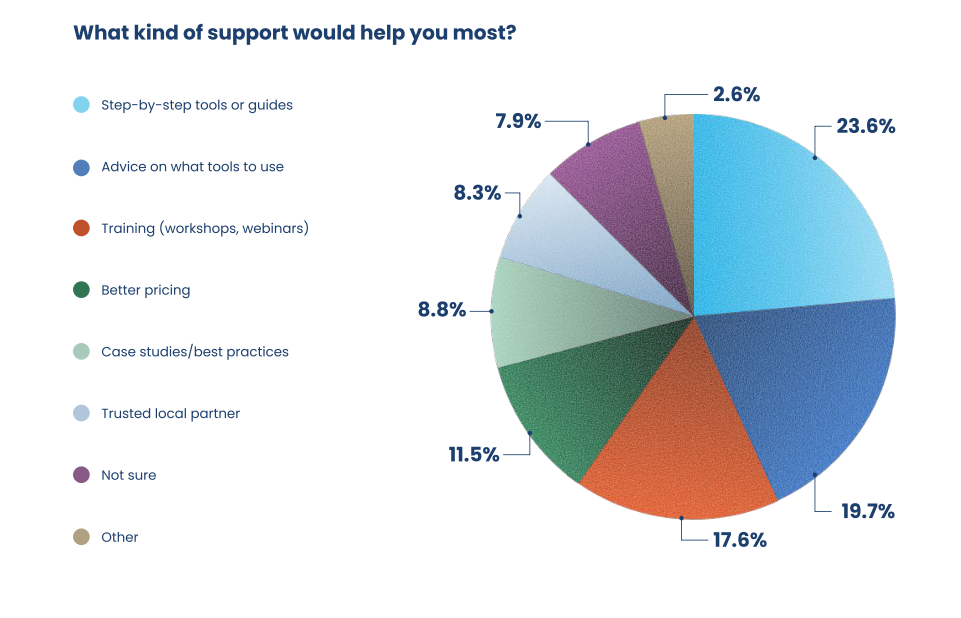
Nearly half of respondents want step-by-step guides, hands-on training, or real-world case studies demonstrating how digital tools function in practice.
Another 19% are looking for clear recommendations on which tools to choose, a sign of widespread uncertainty and decision fatigue.
Evidently, European SMBs are willing to adopt new technology, but they need practical, trustworthy guidance to navigate an environment that’s changing faster than they can keep up with.
AI Adoption in SMBs
AI adoption is growing among European SMBs, but uptake varies widely. Some businesses experiment freely, while others remain cautious, typically starting with low-risk areas like marketing.
Early AI Use in Marketing
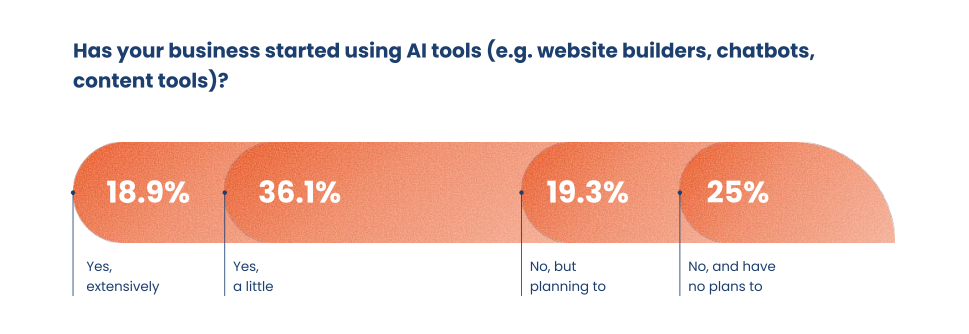
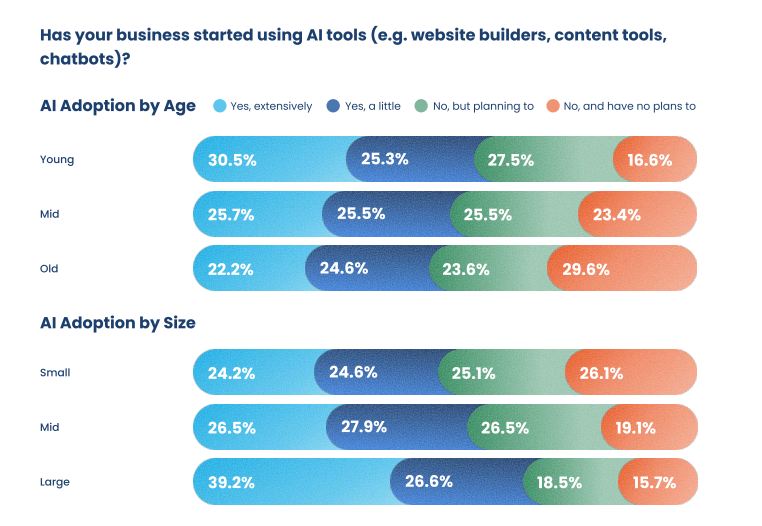
Nearly 1 in 5 businesses use AI extensively, and around a third experiment with it occasionally, particularly younger or larger organizations.
Marketing has become the natural starting point, helping businesses create website content, social posts, and promotional materials.
Meanwhile, about 25% of respondents, mostly smaller or more established businesses, have no plans to adopt AI, preferring instead to rely on methods that have consistently worked for them.

Trust and Privacy Concerns
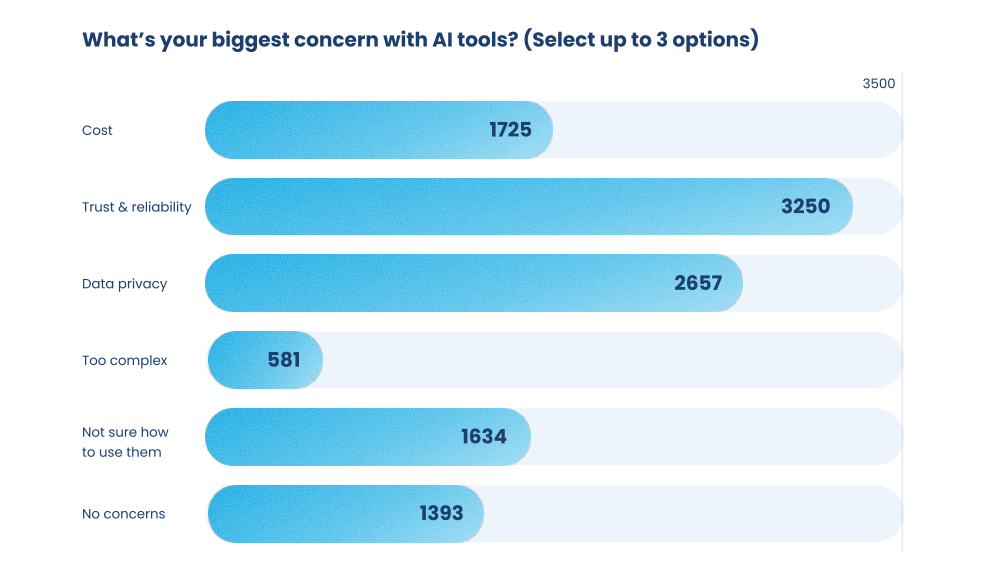
Trust, reliability, and data privacy are top concerns for SMBs exploring AI.
Over 88% worry about these issues, and nearly half trust AI less than human-driven solutions.
Many view AI as impersonal or invasive, placing higher value on human expertise and relationships.
Still, about 20% report no concerns whatsoever, and roughly a third trust AI as much as they trust people, suggesting cautious curiosity and a willingness to adopt tools that prove safe and ethical.
In the end, most SMBs favor human-led solutions, reflecting a deep attachment to craftsmanship and the personal connection that comes with it.
AI’s Impact on Jobs
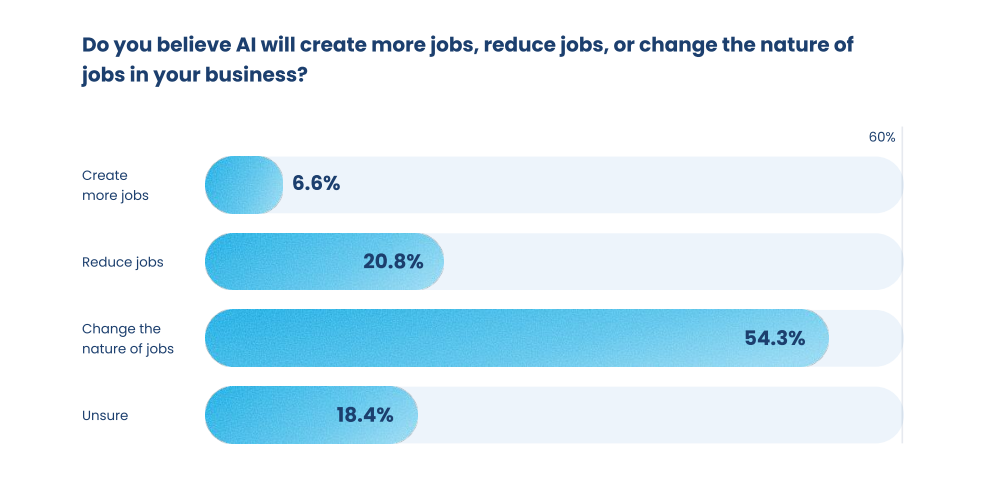
More than half of European SMBs see AI reshaping roles rather than eliminating them. Even so, around 1 in 5 anticipate job losses, and 18% simply aren’t sure what’s coming. The prevailing mood is cautious optimism, a sentiment that holds steady across businesses of all sizes and stages.
AI and Business Competitiveness
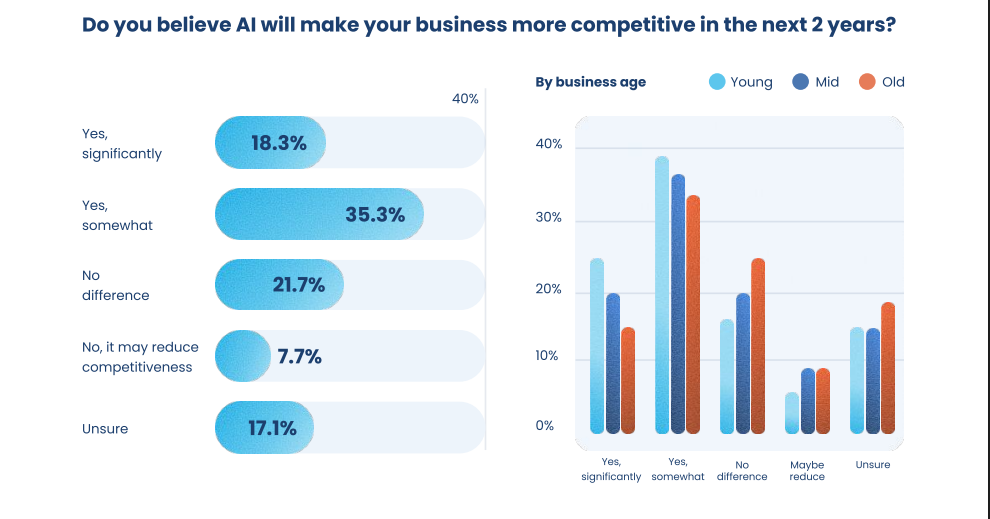
More than half of European SMBs believe AI will enhance their competitiveness, particularly younger, digitally active companies.
At the same time, around 21% see no impact on the horizon, mostly among older businesses, while 17% are simply unsure.
The range of views reflects ongoing uncertainty about how to adopt and use AI effectively.
Where AI Adds Most Value
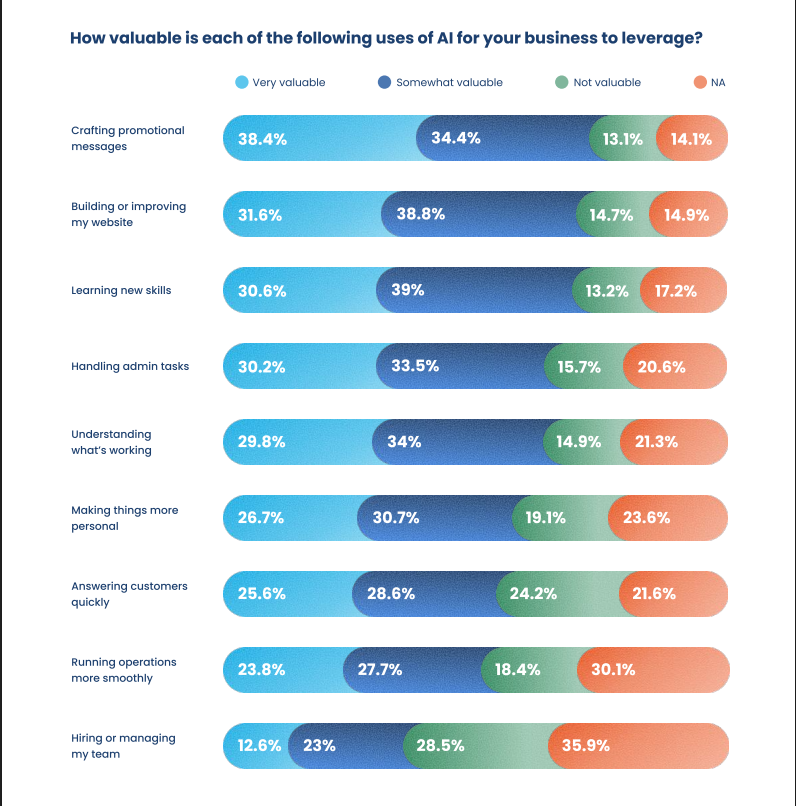
European SMBs find AI most valuable for creative and learning work, creating marketing content, improving websites, and generating ideas.
Solopreneurs also use it to automate repetitive tasks. But when it comes to people-focused functions like hiring and management, businesses keep these firmly in human hands, showing clear hesitation about letting AI handle anything that involves personal judgment or relationships.
AI Adoption by Business Size and Age
Smaller and younger businesses experiment widely with AI, moving quickly to solve immediate problems.
Larger or older companies follow a different approach; although they’re exploring AI, they use it more selectively and remain cautious about full adoption.
Exploring AI Agents
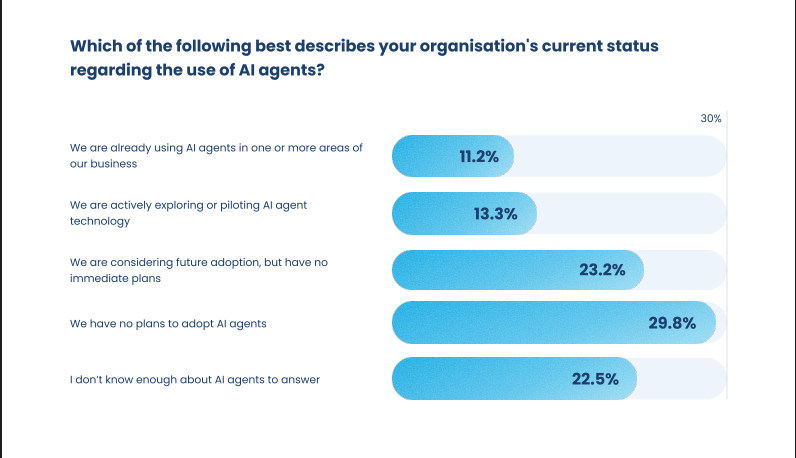
Knowledge about AI agents is still limited across the board, though curiosity is rising.
Roughly 25% of businesses are already experimenting with them, while another 23% plan to adopt them in the near future.
Meanwhile, close to 30% have no immediate plans, and 22.5% feel they lack the information needed to decide.
Larger companies tend to be further along, whereas smaller businesses are still working to understand what AI agents can do.
Empowering Digital Adoption for European Businesses
European businesses are at a turning point in their digital evolution. Many are already using digital tools and exploring AI to boost efficiency, spark creativity, and sharpen their competitive edge.
Smaller, younger companies are experimenting more boldly, while larger, established businesses focus on trust, security, and proven impact.
What they all share is a strong need for clarity, practical guidance, and step-by-step support.
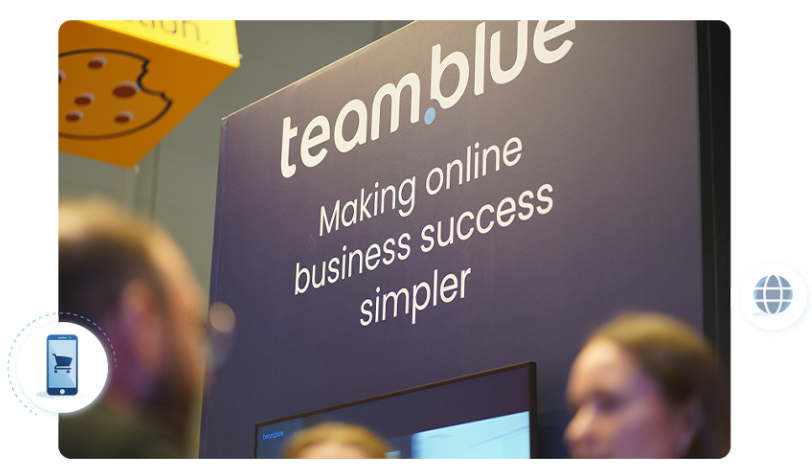
That’s exactly what SimplyBook.me delivers. As part of the team.blue ecosystem, it helps SMEs navigate tech adoption with AI-powered solutions that simplify workflows, build confidence, and produce real, measurable results.
You don’t need to figure this out alone. See how SimplyBook.me’s AI-powered tools simplify operations, save you real time, and help turn ambition into measurable growth, starting today.
Try SimplyBook.me’s AI Voice Booking feature today and experience firsthand how the right tool can simplify operations, cut down on admin work, and give you real time back in your day.
FAQ:
1. What does “digital adoption for European businesses” actually mean?
Digital adoption refers to how effectively European SMBs use digital tools, like websites, booking systems, cloud storage, automation, and AI, to run their business.
It’s not just about having tools; it’s about using them efficiently to save time, improve workflows, and grow sustainably.
2. Why are so many European SMBs still hesitant to adopt advanced technology or AI?
Most businesses aren’t resisting innovation; they’re overwhelmed by choice.
Common barriers include:
- Not knowing which tools genuinely help
- Limited technical skills or staffing
- Fear of making the wrong investment
- Concerns around trust, privacy, and data security
This is why guidance from trusted providers like SimplyBook.me and team.blue is so valuable.
3. What digital tools deliver the biggest impact for small service businesses?
For service-based SMBs, the highest-impact tools tend to be:
- Online booking software (like SimplyBook.me)
- Automated reminders & scheduling
- Cloud storage and collaboration systems
- Marketing tools (website builders, email, social media platforms)
These tools help reduce admin work, increase visibility, and build credibility fast.
4. How are European SMBs currently using AI in their business?
AI adoption in SMBs is rising, especially in:
- Writing website copy
- Creating marketing content
- Generating social media posts
- Brainstorming or idea generation
- Automating repetitive tasks
Most businesses start with low-risk creative tasks before exploring more advanced automation.
5. Why do SMBs trust human-led solutions more than AI?
According to the research, nearly half of businesses trust AI less than people, mainly due to:
- Data privacy concerns
- Fear of inaccuracy
- Emotional attachment to craftsmanship
- Preference for personal relationships
They’re not anti-AI, they just want tools that feel safe, transparent, and reliable.
6. Does AI replace jobs or change them for European SMBs?
Most businesses (54%) believe AI changes roles rather than eliminates them.
AI tends to remove repetitive admin work, freeing humans to focus on:
- Customer service
- Strategy
- Creativity
- Relationship-building
The outlook is cautious but optimistic.
7. How can SMBs know which digital tools are worth using?
The best approach is to:
- Start with your biggest obstacle (admin, scheduling, content creation, customer management).
- Use tools with proven value for SMBs.
- Choose providers that offer guidance—not just software.
This is where SimplyBook.me excels: clear setup, transparent features designed for service businesses.
8. How do online booking systems help European SMBs grow?
Online booking software gives SMBs real advantages:
- Reduces admin time
- Minimizes scheduling mistakes
- Helps businesses appear more professional
- Converts website visitors into actual customers
- Creates a 24/7 “digital front desk.”
It’s often the first tool that delivers immediate, measurable results.
9. What is an AI agent, and should SMBs use one?
AI agents are programs that act autonomously to complete tasks, like responding to inquiries, scheduling appointments, or handling repetitive workflows.
While understanding is still low, interest is rising, especially among growing businesses.
For SMBs, AI agents work best when:
- Tasks are repetitive
- Workloads exceed capacity
- There’s a need for round-the-clock availability
Tools like SimplyBook.me’s AI Voice Booking feature bring this technology into everyday operations.
10. How can service businesses improve their digital maturity without feeling overwhelmed?
Digital maturity grows in small, practical steps:
- Get a strong website (even a simple one)
- Add online booking to automate admin
- Use cloud tools to stay organized
- Adopt AI for content, reminders, or customer follow-up
- Review tools regularly to avoid digital clutter
With the right guidance, SMBs don’t need to “keep up with tech”; they just need a few tools that truly work.
11. What makes SimplyBook.me a trusted partner for SMB digital adoption?
SimplyBook.me is built for European service businesses that need simple, powerful, guided digital tools.
It offers:
- Online booking
- Scheduling automation
- AI Voice Booking
- Marketing tools
It removes guesswork and gives SMBs a clear path toward digital maturity.
12. Where can I start my digital adoption journey today?
You can begin right now by trying a tool designed specifically for SMB workflows:
Have you tried SimplyBook.me’s new AI Voice Booking feature yet?
It lets customers book appointments instantly, hands-free, and saves hours of admin time every week.
See how AI-powered scheduling can simplify your day and boost productivity from the very first use.

 Previous post


Comments
0 commentsNo comments yet