New Year Booking Goals: Booking Automation for Business Growth
 7578
7578 0
0 
This post is also available in:


The New Year rolls around, and businesses set big goals, such as more customers, smoother operations, and better use of time.
But for a lot of teams, those growth plans hit the same wall they always do. Managing bookings still eats up way too much time and manual effort.
That’s why booking automation isn’t just a tech upgrade anymore. It’s a practical way to cut down on admin work, improve the customer experience, and give your team room to scale without drowning in extra tasks.

With the right approach and the right tools, like SimplyBook.me‘s online booking system, bookings stop being a daily headache. Instead, they actually start supporting your business goals.
And with the New Year here, when we’re all thinking about fresh starts and maybe even treating ourselves, why not give your business this gift?
In this article, we’ll explore how smarter booking goals, backed by the right automation tools, can help you start the year with clearer systems and a stronger foundation for growth.

Why Set Booking Goals in 2026?
Booking goals are basically about how well you turn customer interest into actual confirmed appointments.
They’re not just about filling slots on a calendar. They shape how your time, staff, and capacity are used day after day.
Traditionally, booking goals focused on volume. More appointments, more calls, more customers.
However, this year, that mindset falls short. Growth isn’t just about doing more anymore. It’s about doing things better. When bookings are slow, messy, or overly manual, every other business goal feels harder to reach.

For small businesses, unclear booking goals usually mean wasted hours chasing confirmations or fixing scheduling mistakes.
For enterprises, the stakes are higher. You’re dealing with disconnected teams, inconsistent customer experiences, and systems that can’t scale smoothly across departments or locations. Either way, messy booking structures quietly hold back growth long before you see it in the revenue numbers.
This is where booking automation shifts the conversation. Instead of asking “How do we get more bookings?” the better question becomes “How do we make bookings work smarter?”
With the right automation in place, your booking goals expand beyond just volume. Now they include efficiency, reliability, and customer experience too.
In 2025, recent studies show the average employee spends 4-6 hours per week on manual scheduling tasks alone, contributing to significant productivity losses and operational inefficiencies in booking management.

Why Manual Booking Can’t Keep Up with Growth
Manual booking falls apart the moment demand picks up, and things get more complicated.
What once felt manageable quickly becomes a daily drain on your time, focus, and customer patience.
Early on, manual scheduling feels pretty flexible. A few emails, a shared calendar, maybe a spreadsheet. It works. But as bookings pick up, that flexibility turns into friction.
Your team starts spending hours confirming times, fixing mistakes, and juggling availability instead of actually focusing on customers or growing the business.
Meanwhile, customers are left waiting for responses or they just give up and book somewhere else.
The real issue isn’t effort. It’s scale. Manual processes just can’t adapt when you add more services, team members, or locations.
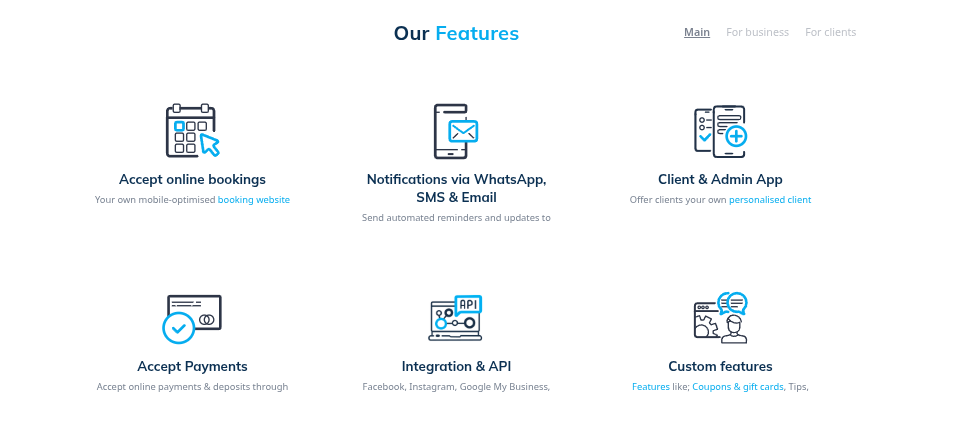
Each new layer you add increases the risk of double bookings, missed appointments, or messy customer experiences.
For big companies, this shows up as disconnected systems across teams. For small businesses, it looks like burnout.
This is where booking automation becomes less about efficiency and more about survival.
With the right system in place, availability updates in real time, confirmations happen instantly, and customers can book without waiting for someone to get back to them.
Tools like SimplyBook.me show how automation removes the repetitive stuff while keeping you in full control.
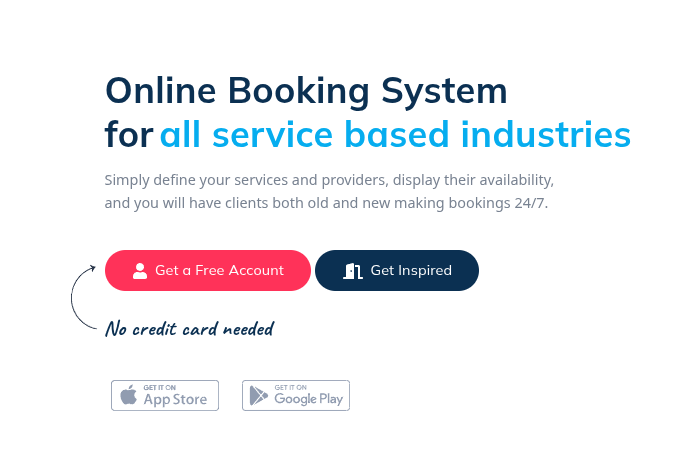
What Booking Automation Actually Solves for Growing Businesses
Booking automation fixes the everyday problems that quietly slow you down. Not in flashy or complicated ways, but in practical ones that remove friction from both sides of the booking experience.
Saves Time by Removing Manual Work
One of the biggest wins is time. When bookings run on autopilot, customers pick their own slots, confirmations get sent automatically, and reminders go out without anyone chasing them down. That alone frees up hours each week. Hours your team can spend on actually valuable work instead of admin tasks.
Creates a Consistent Booking Experience for Customers
Just as important is consistency. With automation, every customer gets the same clear, predictable experience. No delayed replies. No conflicting availability. No confusion about whether their appointment is actually confirmed. For growing businesses, that consistency builds trust. And trust directly affects whether customers come back or tell others about you.
Improves Visibility and Control as Businesses Scale
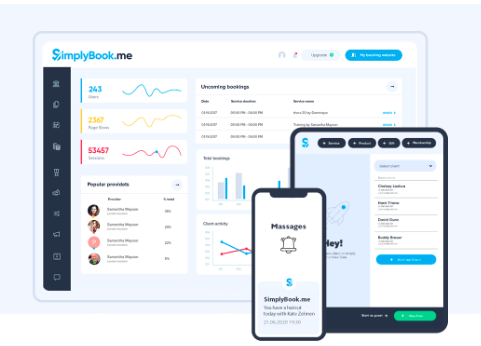
Automation also improves visibility. Automated booking systems give businesses a clearer picture of demand, peak times, and capacity without digging through emails or calendars. Platforms like SimplyBook.me help centralize bookings in one place, making it easier to manage teams, services, and schedules as the business evolves.
Setting Smarter New Year Booking Goals with Automation
At the start of the year, it’s tempting to just aim for more bookings. But without better systems behind them, more bookings usually mean more stress, more errors, and more manual work piling up.
A smarter approach is setting goals around how bookings actually happen. This is where automation supports better planning. Instead of only measuring success by the numbers, you can focus on improving the process that delivers those numbers in the first place.
Shift Goals from Activity to Outcomes
With appointment booking automation in place, your goals can shift beyond surface-level activity and into actual outcomes that matter. For example, reducing time spent on manual scheduling, improving booking completion rates, or creating a smoother experience from first click to confirmation. These goals directly support growth without overwhelming your team.
Build Goals That Scale with the Business
As your business grows, booking complexity grows right alongside it. Automated systems let your goals scale realistically, whether that means supporting multiple staff members, managing different services, or handling bookings across locations.
Use Automation to Set Realistic Expectations
Online booking automation also helps align what you expect internally with how customers actually behave. When customers can book instantly, get confirmations, and receive reminders automatically, you end up with more predictable schedules and fewer surprises. That predictability makes New Year goals easier to track and easier to hit.
What’s worth noting is that in 2025, local SMBs using booking automation achieved up to 120% revenue growth, reflecting major efficiency gains and reduced admin burdens.

Final Thoughts: Set Up Systems That Scale from Day One
Strong growth starts with systems that can actually handle it. When your booking process is clear, consistent, and easy to manage, everything else runs more smoothly. Customer experience improves. Team workload becomes manageable.
For businesses setting New Year priorities, booking automation isn’t about replacing people or piling on unnecessary technology. It’s about removing the obstacles at one of the most critical moments in the customer journey: when they decide to book.
When that moment is simple and reliable, you create space to grow without adding operational strain.
Platforms like SimplyBook.me offer a glimpse of what’s possible. With online booking automation, teams begin to understand what happens when bookings are built to scale rather than simply cope.
As you plan for the year ahead, the question isn’t whether you need more bookings. It’s whether your booking system can actually support the goals you’ve already set.
For businesses rethinking their booking systems, exploring how platforms like SimplyBook.me handle automated, scalable scheduling is a sensible starting point.
Frequently Asked Questions
Booking automation for business growth refers to using digital systems to handle appointment scheduling, confirmations, and reminders automatically. Instead of relying on manual emails or calls, businesses use automation to streamline bookings, reduce admin work, and support scalable growth as demand increases.
In 2026, customer expectations are higher and response times matter more than ever. Booking automation helps businesses stay competitive by offering instant scheduling, reducing errors, and freeing teams from repetitive tasks. As businesses grow, automated booking systems make it easier to handle more customers without increasing operational strain.
Booking automation improves efficiency by eliminating manual scheduling steps. Automated confirmations, reminders, and real-time availability updates reduce back-and-forth communication, prevent double bookings, and save hours of admin work each week. This allows teams to focus on customers, strategy, and growth instead of logistics.
Online booking automation gives customers instant access to available time slots, clear confirmations, and timely reminders. This reduces waiting times, confusion, and missed appointments. A smoother booking experience increases trust and makes customers more likely to return or recommend the business.
Booking automation supports long-term growth by creating consistent, reliable processes. As demand increases, automated systems scale without adding manual work. Businesses gain better visibility into booking patterns, capacity, and customer behavior, which helps them plan more effectively and grow sustainably.
At the awareness stage, businesses should focus on understanding outcomes rather than features. Key considerations include ease of use, flexibility as the business grows, customer experience, and how well the system reduces manual work. Platforms like SimplyBook.me illustrate how automated booking can support growth without adding complexity.
The right time is usually before manual booking becomes a problem. If scheduling takes significant time, bookings are missed, or growth feels harder to manage, automation can help. Many businesses adopt booking automation as part of New Year planning to build stronger systems ahead of growth.
At the awareness stage, enterprises should focus on outcomes such as scalability, consistency, and reduced admin work. Understanding how platforms like SimplyBook.me approach automated, centralized booking helps decision-makers assess what modern booking automation can support.

 Previous post


Comments
0 commentsNo comments yet